The Strait of Hormuz Closed. Oil Went Back to $77 Anyway.
What happened?
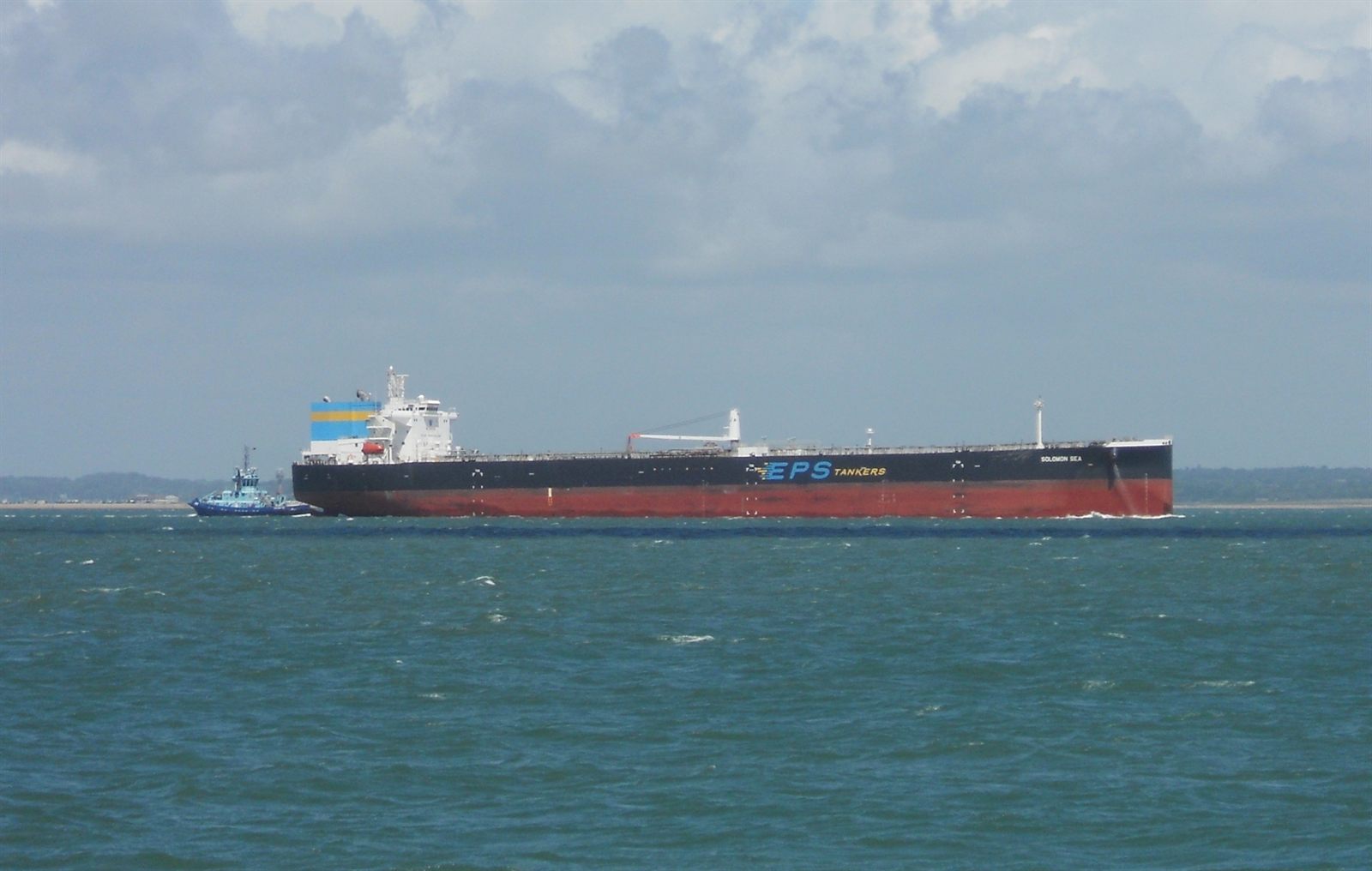
Iran's biggest weapon is a narrow stretch of water that a fifth of the world's oil sails through. It used it. Traffic through the Strait of Hormuz has collapsed — on one day in July, five ships crossed where 130 a day used to.
Why did it happen?
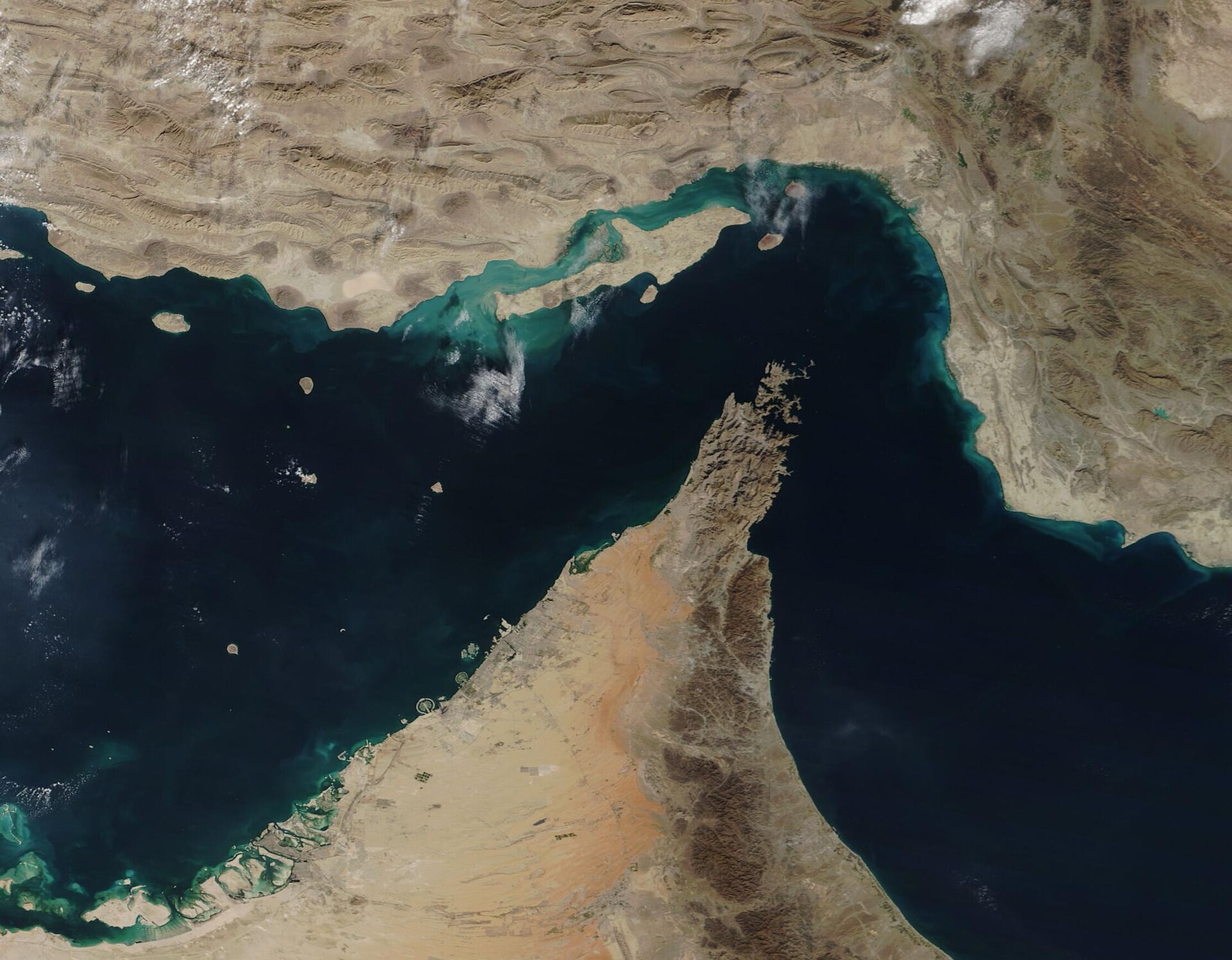
Leverage. The strait is the one card that hurts everyone else immediately, and Iran played it. The read here is ours — nobody publishes a country's intentions.
LikelyWho benefits?
Anyone selling oil that doesn't have to sail past Iran. US exporters hit a record. Saudi Arabia and the UAE pushed more oil out through routes that bypass the strait entirely.
LikelyWho loses?
The crews, first — around 6,000 seafarers are stuck on ships that cannot move. And Iran, which spent its most feared weapon and found out the world could absorb it.
Is the chokepoint still a weapon?
This is where honest people disagree. One reading: the world adapted, so the strait was never as decisive as everyone assumed. The other: it only looked survivable because demand collapsed and reserves were burned — neither of which can happen twice.
UncertainWhat happened?
Following the outbreak of war in late February 2026, crude flows through the Strait of Hormuz fell from around 20 million barrels per day before the conflict to an average of 2.7 million barrels per day across March, April and May. After a 14-point memorandum of understanding signed on 17 June opened a 60-day negotiating window, fighting resumed in July: three merchant ships were struck while transiting the strait, and tracked crossings fell to five vessels against 45 two days earlier, versus roughly 130 daily before the war.
Why did it happen?
Closing or threatening the strait imposes immediate, globally distributed cost at low marginal effort, which is what makes it Iran's highest-value instrument under sustained military pressure. This is an interpretive reading of motive, not a sourced finding: the transit collapse and the ship strikes are documented, the intent behind them is inference. Treat it as our judgment and discount it accordingly.
LikelyWho benefits?
Producers with export capacity outside the chokepoint captured the redirected demand: Saudi exports from Yanbu rose from 2 million barrels per day before the war to more than 5 million in early June, UAE exports went from 1.9 million in March to 4.3 million in early June, and US exports reached a record 13.1 million barrels in May. Whether these are durable gains or a temporary premium on being on the correct side of a blockade is not yet resolvable.
LikelyWho loses?
The immediate cost fell on people with no stake in the dispute: roughly 6,000 seafarers stranded aboard hundreds of vessels, 136 ships and 2,900 seafarers evacuated, and 14 killed in two days of exchanges in July. The strategic loser is harder to call but points at Iran: cumulative Middle East supply losses exceeding 1.3 billion barrels bought a price that returned to roughly its pre-war level, and the strait's closure has now invited a US claim to run it. A weapon that can be absorbed is a weapon that can only be used once.
Is the chokepoint still a weapon?
The optimistic reading is evidenced: supplies readjusted, with China cutting crude imports by 40% (4.6 million barrels per day) between February and May, IEA members releasing 400 million barrels of emergency stocks peaking at 2.5 million barrels per day, and rerouted Gulf exports filling much of the gap — and Brent traded at $76.58 on 10 July, near pre-war levels. The dissent is that this misreads the mechanism: spare capacity sitting behind a blockaded chokepoint is not deliverable supply, global inventories still fell by 3.8 million barrels per day since the conflict began, and the adaptation ran on one-time buffers rather than structural resilience. We do not think this question is settled, and we are not going to pretend otherwise to sound decisive.
UncertainDomino Effect
The causal chain so far, dated from what the sources actually report. New dominoes append as they fall.
Iran's leverage was always a threat rather than an act — its value lay in never being tested. Using it converted a permanent deterrent into a one-time expenditure, and the test returned an answer nobody in Tehran wanted published: the world absorbed a 17-million-barrel-a-day hole and paid about a dollar for it. Left untouched, the strait would still be a loaded gun. Fired, it is now a US-policed waterway that Washington is openly proposing to run. This is our reasoning, not a sourced counterfactual.
Corrections & revisions
noneEvery change to this analysis since publication, with the reason. We append here — we don't rewrite. A number that changes silently is indistinguishable from never having been wrong.
- No corrections yet. When we get something wrong, the fix is logged here rather than quietly applied.
Sources
Every source behind the Trust Index above. Follow them — a trust score you can't check is decoration.
- How global oil supplies have readjusted to help fill the huge gap left by the Strait of Hormuz shock
- Strait of Hormuz traffic plunges as US, Iran resume fighting
- US-Iran war leaves shipping at near-standstill in Hormuz again
- U.S.-Iran War Latest: U.S. blockade on Iranian ports restarts as Trump angles for control over Strait of Hormuz
- A Barrel Trapped Behind Hormuz Isn't Spare Capacity
The uncomfortable lesson of this war is not that Iran was weak. It is that a chokepoint is a story about fear, and fear has a shelf life. For fifty years the Strait of Hormuz worked as a weapon precisely because it was never fired; every oil analyst carried a private number for what closing it would cost, and no one had to test it. Iran tested it. The world lost seventeen million barrels a day and the price moved a dollar. Deterrence, it turns out, is a claim about the future that only survives while it stays unfalsified — and Iran has now falsified its own. That is a far worse outcome than losing a battle. Battles can be re-fought. You cannot un-demonstrate that the thing everyone feared was survivable.
— the founderNothing here stands alone. This story is one node in a wider web — every card is another thread you can pull.