Europe's Migration Politics Hardened While the Numbers Fell.
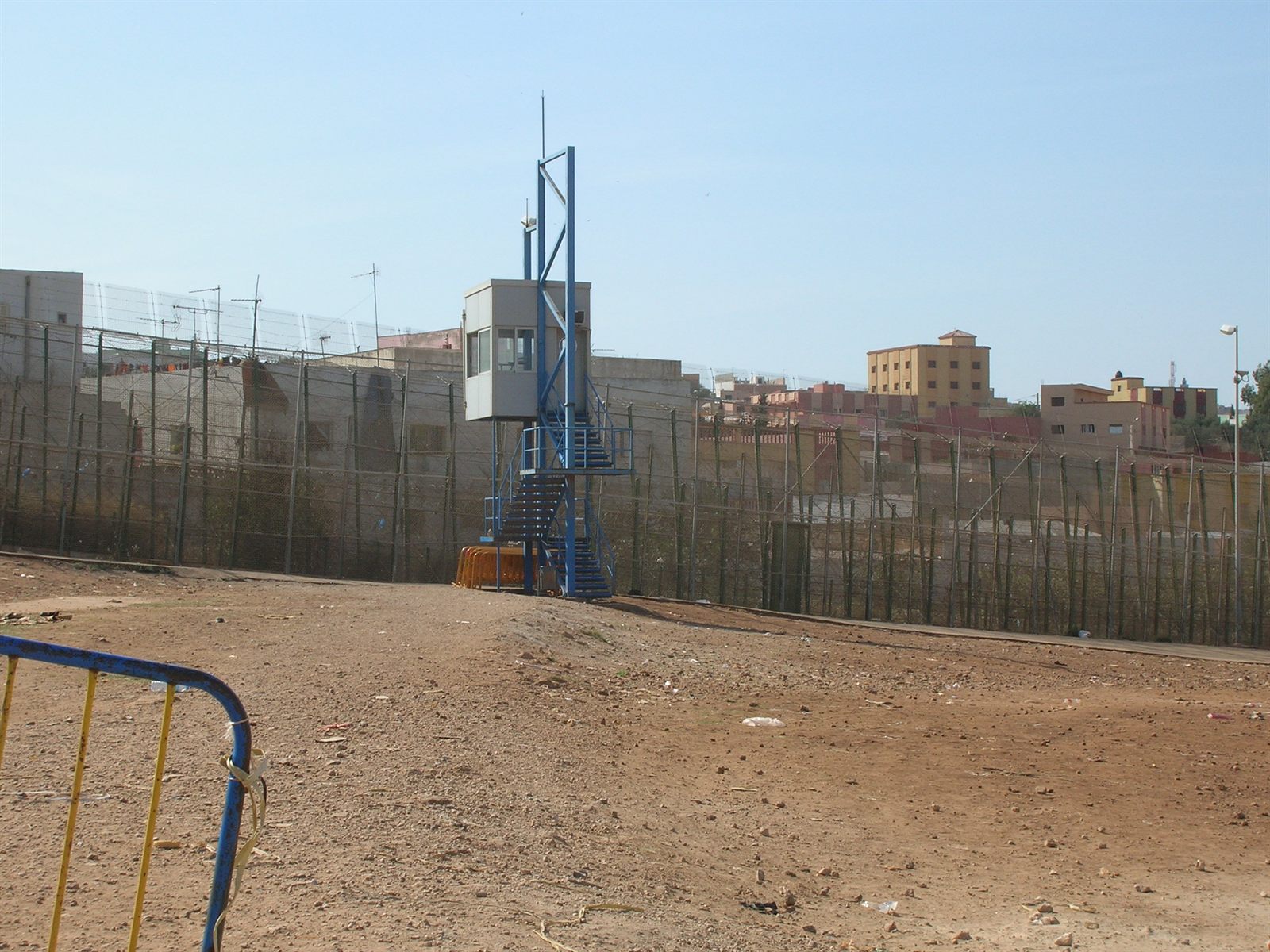
What happened?
Russia's war pushed about 4.4 million people into the EU — and they were given their own legal status rather than put through the asylum system. That population has now stopped growing: it moved 0.2% last month.

Why did it happen?
Not because arrivals rose. They fell. Asylum claims dropped 19% to their lowest since 2021, irregular crossings fell 26% — and the EU brought in its toughest framework anyway.
UncertainWho benefits?
Ukrainians — they got the good channel. 4.4 million people received residence, work rights and schooling without ever filing an asylum claim.
LikelyWho loses?
Anyone whose protection rests on a law written to last three years, now in its fifth, with no agreed end. The calm here is procedural, not structural.
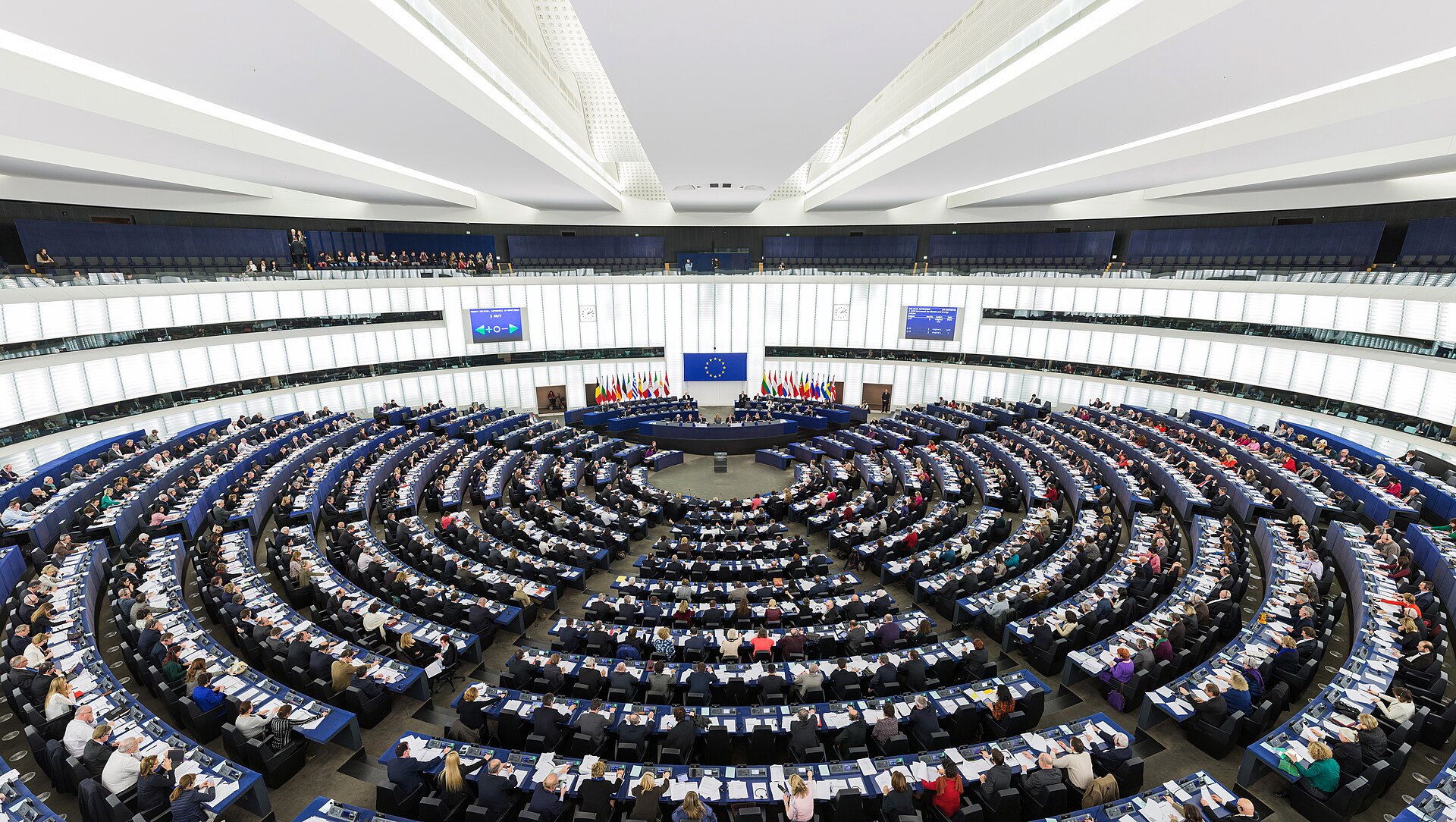
What happened?
Eurostat records 4.38 million people from Ukraine holding temporary protection in the EU on 31 May 2026 — 98.5% of them Ukrainian citizens — up 7,795 (+0.2%) on April. Germany hosts 1,283,270 (29.3%), Poland 967,505 (22.1%), Spain 267,400 (6.1%). Adult women are 43.4% of beneficiaries, minors 29.8%, adult men 26.8%. The important word is stock, not flow: this population is static and legally settled under the Temporary Protection Directive, and the Council has extended that status to 4 March 2027. Whatever is moving European migration politics in 2026, it is not this number, because this number is not moving.
Why did it happen?
This is where the connection as usually drawn breaks. EU+ countries received 822,000 asylum applications in 2025, 19% fewer than 2024 and the lowest since 2021 (EUAA); the Commission's own progress report puts illegal border crossings down 26% across the same period. The Pact on Migration and Asylum entered into application on 12 June 2026 regardless. Three independent EU bodies — Eurostat, the EUAA and the Commission — document falling or flat numbers across precisely the window in which the regime hardened. The causal arrow on the map card, displacement → pressure → hardening, does not survive contact with its own data. This sits at Uncertain rather than Confirmed because there is a serious counter-reading and we are not going to bury it: the EUAA attributes part of the decline to cooperation with partner countries that reduced mobility along the routes, which is deterrence doing exactly what it was built to do. On that reading the falling numbers are the policy succeeding, not evidence the policy was answering nothing. Both stories fit the same figures, and the figures cannot separate them.
UncertainWho benefits?
The Temporary Protection Directive handed people fleeing Ukraine immediate residence and labour-market access, bypassing the asylum system entirely, and the Council has extended it to 4 March 2027. The beneficiary profile is overwhelmingly families: 43.4% adult women, 29.8% minors. Set against the wider war — CFR counts 5.9 million registered refugees, 3.7 million internally displaced and 10.8 million needing humanitarian assistance — the EU's absorption of 4.4 million of them with legal status is the single largest protection operation in its history. Which produces the fact this whole analysis turns on: the same bloc tightening its asylum rules to their strictest ever is simultaneously running its most permissive protection scheme ever, for a different group, at the same time, and neither policy appears to be reacting to the other.
LikelyWho loses?
Article 4 of the Temporary Protection Directive states that temporary protection 'must not exceed three years'. The extension to March 2027 is a fifth year. Ciger argues the extension lacks a proper legal basis and that permitting it without amending the Directive 'risks setting a dangerous precedent', with the Recommendation's vague language leaving 'the door open to indefinite extensions'. The Commission has itself cited the risk of overwhelming asylum systems if temporary protection ends abruptly — which is a quiet admission that 4.4 million people are settled on an instrument with no defined exit, and that the stability on this file is administrative rather than resolved. Uncertain because nobody has lost anything yet: the cliff is legal, it has already been deferred once, and the most likely outcome is that it is deferred again.
Domino Effect
The causal chain so far. Read the dates against each other — that is the whole argument.
We cannot know, and the shape of the evidence makes the question less useful than it looks. The regime hardened across a window in which asylum claims fell 19%, irregular crossings fell 26%, and the Ukrainian population under protection sat flat at 4.4 million. A policy that tightens while the numbers fall is not obviously a policy that would have loosened had they risen — which suggests the arithmetic is not the input. The counterfactual worth asking is the reverse one: what would have to happen on this file for the politics to soften? Nothing in the last four years of data answers that.
Corrections & revisions
1Every change to this analysis since publication, with the reason. We append here — we don't rewrite. A number that changes silently is indistinguishable from never having been wrong.
-
CLARIFICATIONSharpened 2 prediction labels to state an explicit, measurable resolution criterion and date.An estimate that cannot resolve can never enter the public track record. These were tracked without a criterion by which they could be scored Confirmed, Incorrect or Partially Correct; the underlying estimates and their history are unchanged.
Sources
Every source behind the Trust Index above. Follow them — a trust score you can't check is decoration.
- 4.38 million under temporary protection in May 2026
- Asylum Report 2026: EU+ gearing up for the next generation of the Common European Asylum System
- War in Ukraine — Global Conflict Tracker
- Commission reports on progress in implementing Pact on Migration and Asylum
- Towards Temporary Prolonged Protection?
Nothing here stands alone. This story is one node in a wider web — every card is another thread you can pull.