The Front Slowed Sixteenfold. The Killing Rose 37%.
What happened?
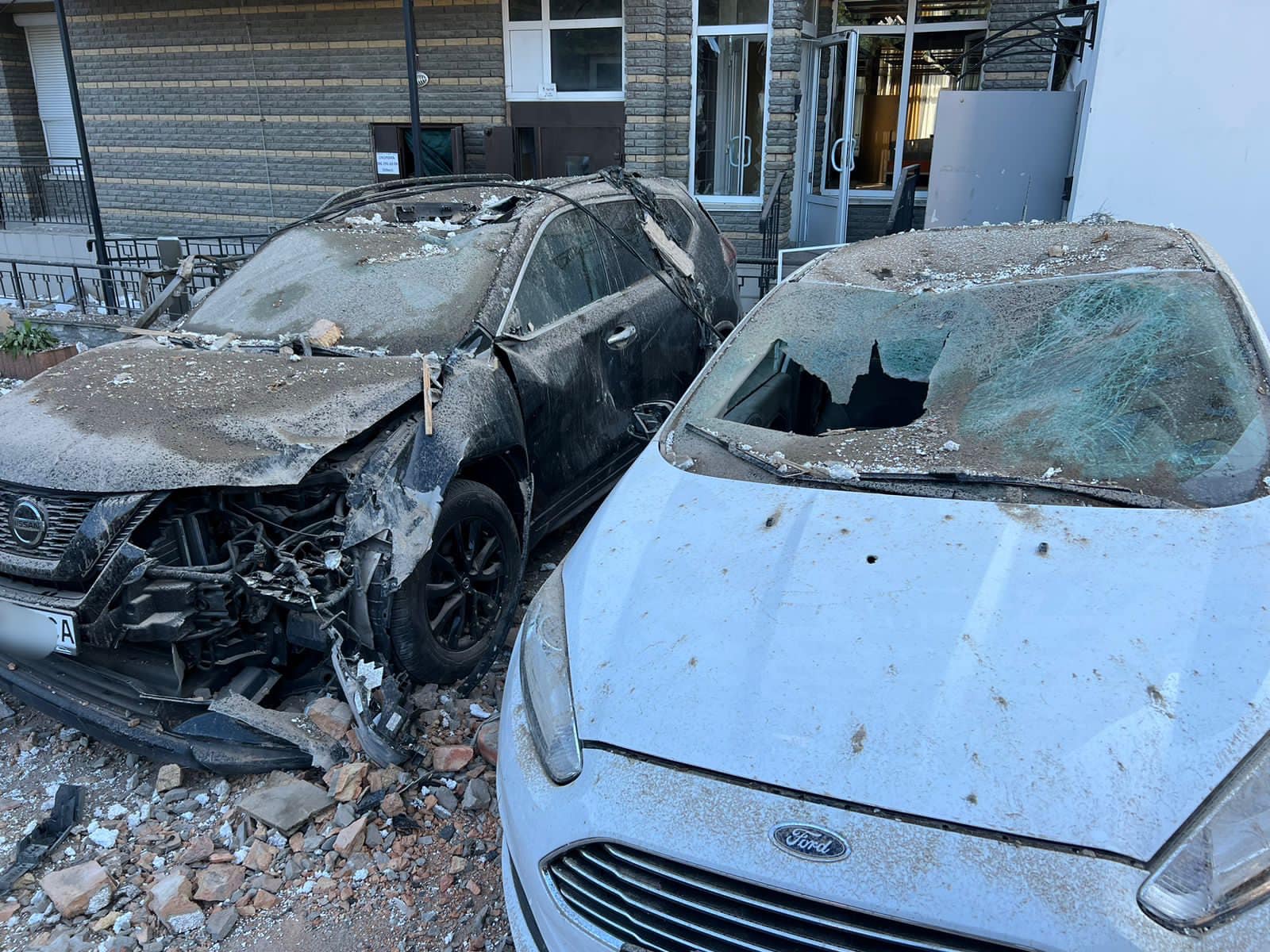
Two things moved in opposite directions. Russia's ground advance nearly stopped — about 1 km² a day in June, against 16 a year earlier. Over the same six months, the number of civilians killed and injured went up 37%.
Why did it happen?
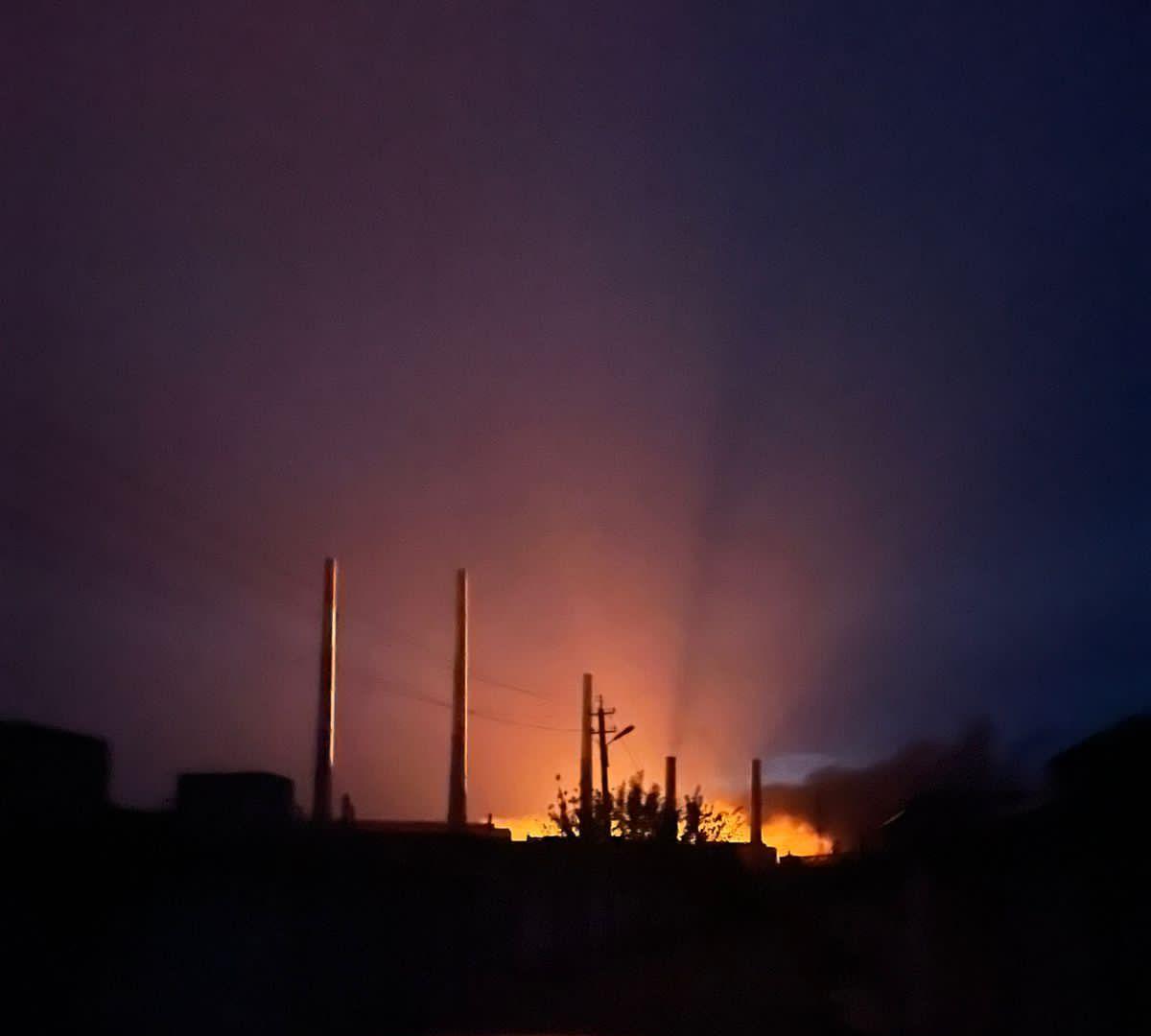
The killing moved off the front line. Casualties from long-range missiles and drones rose 60%, and they land in cities far from any fighting. Whether that is because the ground war stalled is the part we cannot prove.
UncertainWho benefits?
Militarily, Ukraine is winning the exchange badly enough that it counts as an advantage — Russia now pays nineteen times more casualties per kilometre than a year ago. Politically, the side that benefits is whoever can outlast the other's civilians.
LikelyWho loses?
Civilians, and not marginally. 16,431 killed since 2022, 10.8 million needing aid this year — and the response plan is built to reach 4.1 million of them.
What happened?
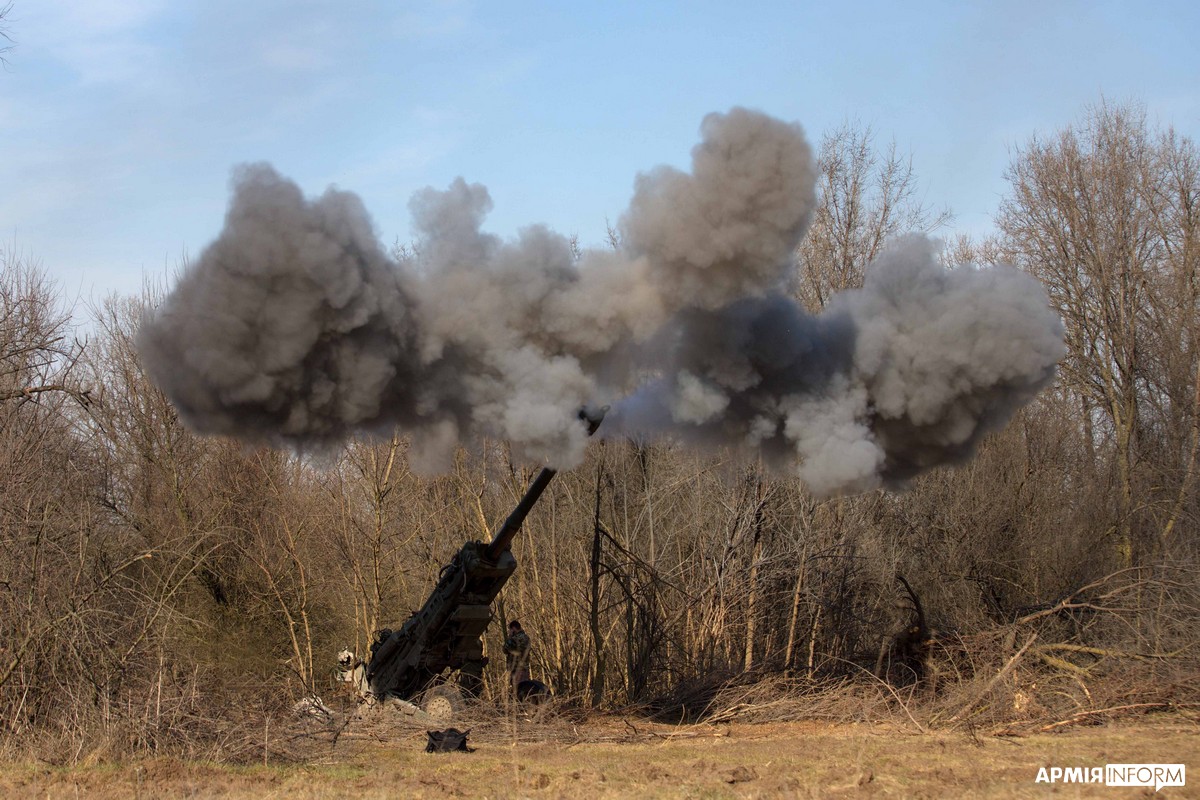
The Institute for the Study of War records Russian forces seizing or infiltrating 30.42 km² in June 2026, an average of 1.01 km² per day, against 481.25 km² and 16.04 km² per day in June 2025 — roughly 6% of the previous year's rate. Across January to June the pattern holds: 622.60 km² in 2026 against 2,189.87 km² in 2025, about 28%. The cost per unit of ground moved the other way, to roughly 1,298 Russian casualties per km² seized in June 2026 against 68 a year earlier. Over the identical window, the UN Human Rights Monitoring Mission counts 1,396 civilians killed and 7,978 injured in Ukraine — 37% above the first half of 2025 and 114% above the first half of 2024, with June 2026 the deadliest single month since April 2022. Both figures are first-half-to-first-half comparisons from the primary monitors on each side of the question, and they point in opposite directions.
Why did it happen?
HRMMU attributes the rise chiefly to Russian long-range attacks striking urban centres far from the front, with casualties from missiles and drones up 60% year-on-year across January to June. Danielle Bell, who heads the mission, describes 'an alarming escalatory trend with mounting civilian toll, driven by the intensifying use of powerful weapons that are particularly deadly when used in densely populated urban areas'. The geography of the war's lethality has therefore detached from the geography of its front line. The intuitive reading — that Russia, unable to take ground, substituted terror for advance — is the one this analysis will not assert, because CSIS's mapping of the strike campaign undercuts it. Their damage-report series runs 358 in 2023, 650 in 2024 and 1,553 in 2025: the escalation curve was already steep for two years before the 2026 slowdown, which makes it a long-running doctrine of coercion rather than a reaction to a stalled offensive. The two readings fit the same numbers. Substitution would predict the strike campaign inflecting when the advance stalled; the CSIS series shows it climbing throughout. Uncertain, and the honest answer is that correlation over a single half-year cannot separate a switch of strategy from the continuation of one.
UncertainWho benefits?
On the narrow military question the defender is ahead: a nineteenfold deterioration in Russian casualties per km² gained is a defence working, and ISW notes Russian forces have been unable to reverse Ukrainian counterattacks in the Kupyansk and Oleksandrivka directions from late 2025 and spring 2026. But the beneficiary question is uncomfortable here, because the campaign CSIS describes is not designed to win on that metric. Its stated logic is to weaken Ukraine's capacity to 'fight, repair, govern, and negotiate' — cumulative military, economic and psychological cost imposed to make a settlement on Moscow's terms acceptable, rather than to seize territory. On that theory of victory the sixteenfold slowdown is not a defeat at all, because ground was never the currency. Which is why 'who is winning' has become a question about which measurement you accept, and why a reader looking only at a territorial map is being shown the one variable that has stopped moving.
LikelyWho loses?
HRMMU has confirmed 16,431 civilians killed and 48,613 injured since 24 February 2022, including 803 children killed. For 2026 the UN estimates 10.8 million people in Ukraine will need humanitarian assistance and appeals for $2.3 billion — with which partners aim to reach 4.1 million. That gap is the quietest figure in this analysis and possibly the loudest: the plan's own target covers 38% of the population it says is in need, which is triage written into the appeal before a single donation is counted. The strikes on the grid are where this lands hardest. After attacks in January 2026, 5,635 multi-storey residential buildings in Kyiv were left without heating, with UN High Commissioner for Human Rights Volker Türk stating that 'targeting civilians and civilian infrastructure is a clear breach of the rules of warfare' and that 'hundreds of thousands of families are now without heating and several areas, including a significant part of Kyiv, are also without water'. Confirmed rather than uncertain because nothing here is contested between our sources: the disagreement in this analysis is about why the killing rose, never about whether it did.
Domino Effect
The two curves separating. Read the territory figures against the casualty figures — that divergence is the whole argument.
Ukraine would have lost roughly 1,570 km² more in six months — real, and still not the point. The question this analysis exists to press is the reverse one: if the front had kept moving, would anyone have noticed the strike campaign? The territorial map is the instrument almost every reader uses to judge this war, and for six months it has reported near-stasis while the civilian casualty rate ran 37% above the previous year and hit its worst month in four. A measurement that goes quiet exactly when the thing it is meant to track relocates is not a neutral one. The counterfactual worth sitting with is not what more territory would have cost, but how much of this war a territorial map was ever able to show.
Corrections & revisions
1Every change to this analysis since publication, with the reason. We append here — we don't rewrite. A number that changes silently is indistinguishable from never having been wrong.
-
CLARIFICATIONSharpened 2 prediction labels to state an explicit, measurable resolution criterion and date.An estimate that cannot resolve can never enter the public track record. These were tracked without a criterion by which they could be scored Confirmed, Incorrect or Partially Correct; the underlying estimates and their history are unchanged.
Sources
Every source behind the Trust Index above. Follow them — a trust score you can't check is decoration.
- Civilian Casualties Soar in Ukraine in the First Half of 2026 Amid Escalating Attacks and Intensifying Use of Deadly Weapons, UN Human Rights Monitors Say
- Russian Offensive Campaign Assessment, July 1, 2026
- Ukraine war: UN appeals for $2.3 billion to support aid teams' 'heroic work'
- Cold and dark: UN rights chief condemns Russian strikes on Ukraine's power grid
- The Geography of Coercion: Russian Missile and Drone Campaigns in Ukraine
Nothing here stands alone. This story is one node in a wider web — every card is another thread you can pull.