Russia Ships More to China Than Ever. It Earns Less.
What happened?
Russia's trade with China fell for the first time in five years — down 6.9% to $228 billion. The escape route that was supposed to replace the West stopped growing.

Why did it happen?
Mostly price, not punishment. Russia shipped roughly as much oil — it just got paid less for it. And Chinese car sales to Russia collapsed 46%, partly because Russia taxed them.
LikelyWho benefits?
China, on every measure except the headline. It takes more Russian energy than ever, pays less for it, and sets the terms.
Who loses?
Russia — and precisely in the plumbing. It gets paid in yuan it struggles to spend, through banks that quietly refuse the transfer.
LikelyWhat happened?
Chinese customs put two-way trade at US$228.105 billion in 2025, a 6.9% fall from the record US$245 billion in 2024 — the first decline since 2020, after four consecutive years of uninterrupted expansion. In yuan terms it fell 6.5%, from 1.74 trillion to roughly 1.63 trillion. MERICS records the same 6.9% drop while noting the year closed with record monthly levels in December, which is the first sign that the fall may be a repricing rather than a retreat.
Why did it happen?
The largest single component was crude. Chinese customs show the value of Russian crude imports down nearly 19.6% year-on-year to 328.5 billion yuan over the first eleven months of 2025 — and Mazumdar is explicit that this happened 'despite stable shipment volumes'. That is a price effect, not a blockade. The second was vehicles: Chinese car exports to Russia fell about 46% (January–November 2025), driven substantially by Russia's own localization policies and recycling fees rather than by any Western measure. China also suspended electricity imports from January 2026 over pricing. Likely rather than Confirmed because apportioning weight between softer commodity prices, Russian protectionism and sanctions pressure is our reading of the composition — the customs data reports the totals, not the causes.
LikelyWho benefits?
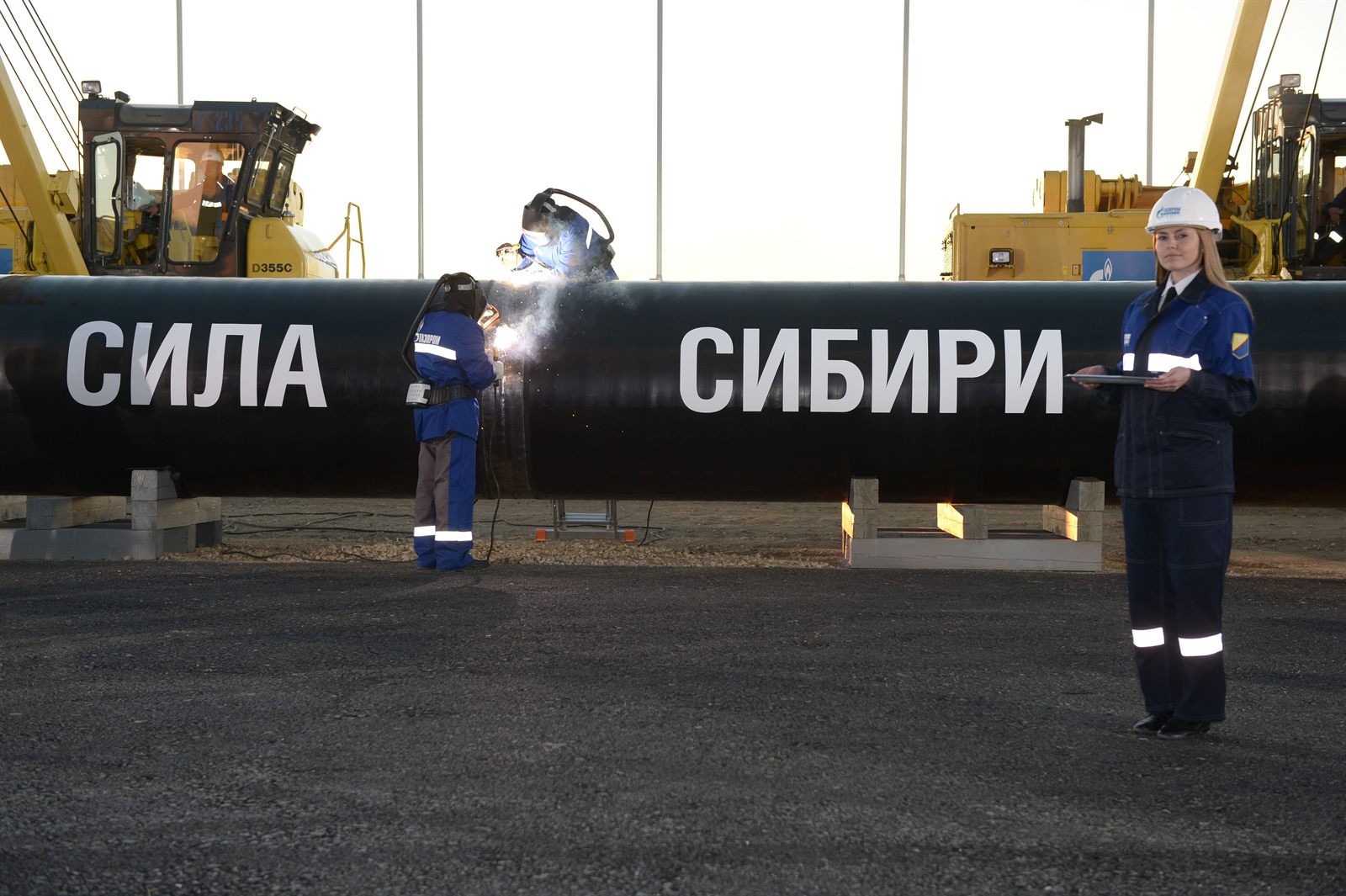
The physical relationship is at records while the dollar value falls. MERICS records Russian oil exports to China above 108 million tonnes in 2024, up about 30% since 2022; LNG nearly quadrupling between 2019 and 2025 to a record 9.9 million tonnes; pipeline gas at 38.8 bcm in 2025. More than 70% of the trade's value has been mineral fuels since February 2022. Chinese dual-use exports to Russia exceeded US$4 billion in 2024 and stayed above US$4 billion across 2025. Beznosiuk reads this as decisive: 'China's trade and financial support has been the backbone of Russia's wartime resilience', with up to 80% of Russia's sanctions circumvention now involving Chinese entities. Uncertain because the identical figures carry the opposite reading — a buyer taking record tonnage at a falling price is also a buyer whose supplier has nowhere else to sell. Both are true; which one is the story depends on whether you are counting barrels or leverage.
Who loses?
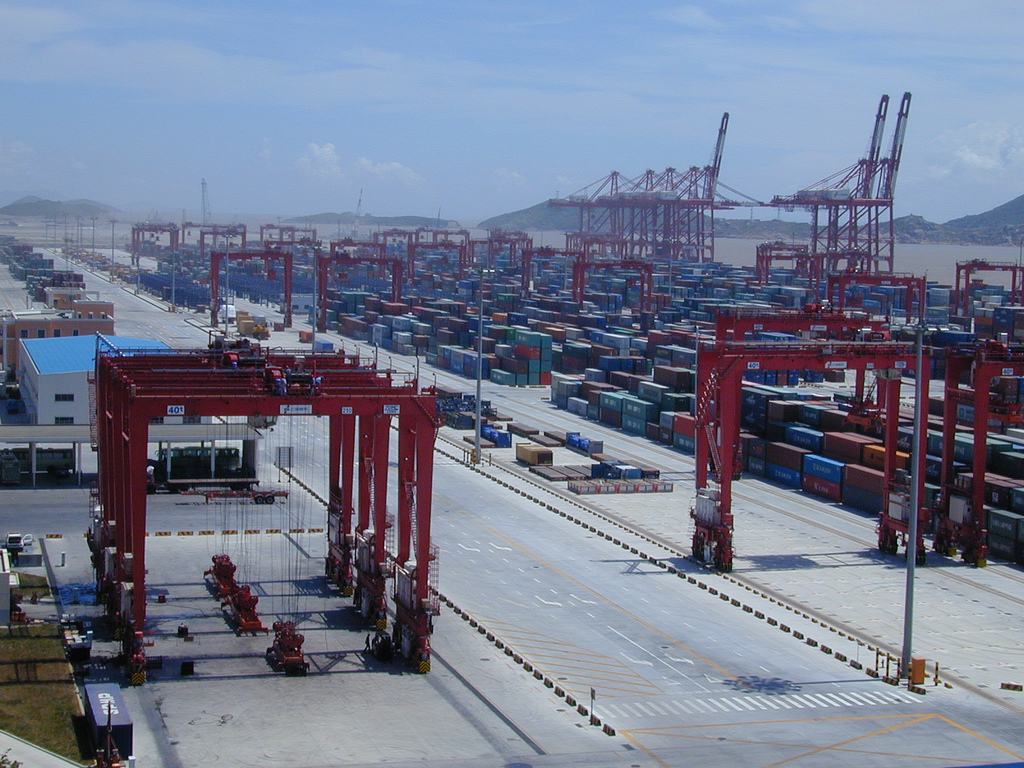
This is where sanctions actually bite, and it is not the trade — it is the payment. MERICS records the yuan's share of Russia's external trade peaking near 40% in January 2024 and falling back to roughly 30% following US sanctions threats: under pressure, the currency channel went backwards. Sberbank's first deputy chairman Alexander Vedyakhin describes the mechanics from the inside: 'Payment routes are becoming many times more complex, requiring the inclusion of additional intermediary banks, which often reject payments without providing a detailed explanation.' Chinese banks are balancing access to Russian trade against access to the dollar system, and choosing the dollar — the SCMP frames it as the practical limit of de-dollarisation. Mazumdar's structural conclusion follows: 'emergency-driven trade expansion has natural limits', and further growth would require joint ventures and localized production rather than more cross-border shipments.
LikelyDomino Effect
The causal chain so far. The tonnage line and the value line separate about halfway down — that separation is the finding.
In tonnes, it largely did — which is what makes this counterfactual unusually answerable. Russian oil to China rose about 30% between 2022 and 2024 to more than 108 million tonnes, LNG nearly quadrupled to a record 9.9 million tonnes, pipeline gas reached 38.8 bcm, and more than 70% of the trade's value became mineral fuels. Volume substitution is not the part that failed. What did not transfer was pricing power and payment: a single buyer facing no competing bidder sets the price, and 2025's fall came overwhelmingly from value rather than tonnage. The counterfactual is close to the world we already live in, and Russia's revenue fell inside it.
Corrections & revisions
1Every change to this analysis since publication, with the reason. We append here — we don't rewrite. A number that changes silently is indistinguishable from never having been wrong.
-
CLARIFICATIONSharpened 3 prediction labels to state an explicit, measurable resolution criterion and date.An estimate that cannot resolve can never enter the public track record. These were tracked without a criterion by which they could be scored Confirmed, Incorrect or Partially Correct; the underlying estimates and their history are unchanged.
Sources
Every source behind the Trust Index above. Follow them — a trust score you can't check is decoration.
Nothing here stands alone. This story is one node in a wider web — every card is another thread you can pull.